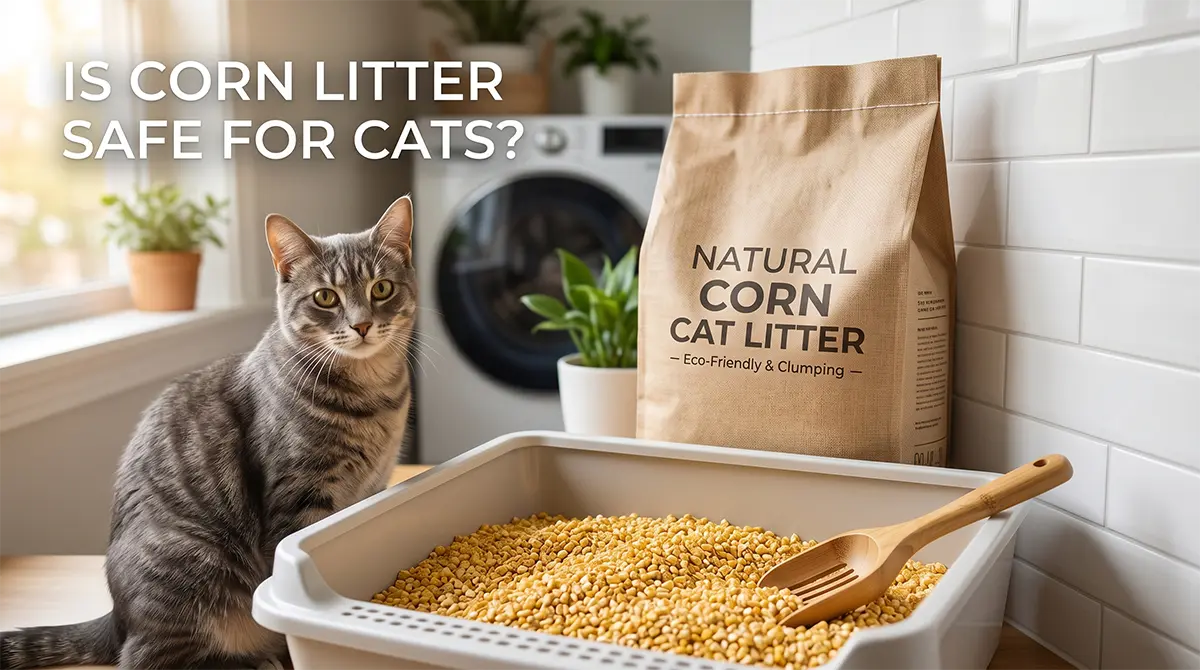
If you are looking to ditch traditional clay litter for an eco-friendly alternative, corn cat litter has likely popped up on your radar. It’s highly absorbent, clumps beautifully, and is made from a renewable resource. But if you’ve spent any time scrolling through pet forums, you might have stumbled across some scary warnings about toxic mold, bug infestations, and stomach blockages.
So, is corn litter safe for cats? The short answer is yes—most commercial corn litters are safe for adult cats. However, because it is a natural food product, it comes with a few specific environmental drawbacks that every pet parent needs to know about.
Let’s dive into the truth behind aflatoxins, the ingestion risks, and how to safely use corn litter in your home.
The Big Scare: What Are Aflatoxins?
The most common fear surrounding corn litter is the risk of aflatoxin poisoning. Aflatoxins are highly toxic compounds produced by a specific type of mold (Aspergillus flavus) that thrives on agricultural crops like corn, peanuts, and grains. If ingested, aflatoxins can cause severe, sometimes fatal, liver damage in cats.
Should you panic? Not exactly. Reputable commercial brands (like World’s Best Cat Litter) use heat-treating processes during manufacturing and rigorously test their products for aflatoxins before they hit the shelves. The risk of buying a contaminated bag from a major brand is incredibly low.
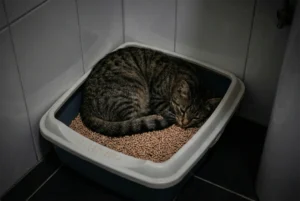
The real warning: The danger arises after the litter is in your home. If the litter box is kept in a highly humid environment (like a damp basement or a steamy bathroom) and the soiled litter isn’t scooped regularly, moisture can cause mold to grow.
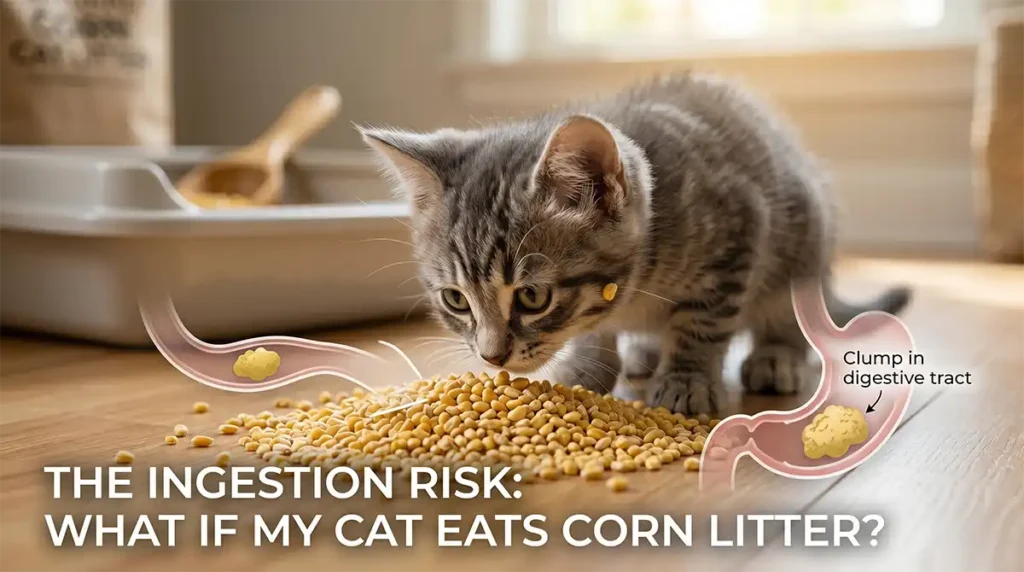
The Ingestion Risk: What If My Cat Eats Corn Litter?
Corn litter is famous for its rapid, tight clumping ability—which is great for scooping, but potentially dangerous if swallowed.
If a cat ingests corn litter, the moisture in their digestive tract will cause the litter to expand and clump together, just like it does in the litter box. This can lead to a severe gastrointestinal blockage that requires emergency surgery.
- For Kittens: Kittens are naturally curious and explore the world with their mouths. Because of this, you should never use clumping corn litter for kittens under four months old. Stick to non-clumping pellet litters until they outgrow their taste-testing phase.
- For Adult Cats: Most adult cats have zero interest in eating corn litter. However, if your cat has a condition like pica (the urge to eat non-food items), corn litter is not a safe choice for your household.
The Bug Problem: Does Corn Litter Attract Pests?
Unlike clay or silica gel, corn is a natural food source. If it is not stored properly, it can absolutely attract unwelcome guests into your home. Grain moths, weevils, and even mice might view an open bag of corn litter as an all-you-can-eat buffet.
This isn’t necessarily a danger to your cat (in fact, your cat might enjoy the extra hunting practice), but it is a massive nuisance for your household.
The Bright Side: Why Choose Corn Litter?
With the warnings out of the way, why do so many eco-conscious pet parents swear by corn litter? Because when used correctly, the benefits are fantastic:
- Excellent Clumping: Unlike pine pellets, corn litter clumps almost exactly like traditional clay, making daily scooping a breeze.
- 99% Dust-Free: It lacks the harmful silica dust found in clay, making it a much safer breathing environment for cats (and humans) with asthma or respiratory sensitivities.
- Biodegradable & Flushable: Corn litter is 100% biodegradable. Many brands are also certified flushable, though you should always double-check your local plumbing regulations and septic system capabilities before flushing cat waste.
Best Practices: How to Use Corn Litter Safely
If you decide that the eco-friendly benefits outweigh the risks, here is how you can keep your cat safe and your home pest-free:
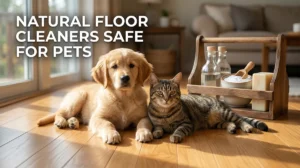
- Keep It Dry: Place the litter box in a well-ventilated, dry area of your home. Avoid damp basements or bathrooms with poor exhaust fans to prevent mold growth. When cleaning the floor around the litter box to prevent bugs, ensure you are using a [natural floor cleaner safe for pets].
- Scoop Daily: The longer wet urine sits in the box, the higher the chance of bacterial and fungal growth. Scoop the box at least once a day.
- Use Airtight Storage: Never leave the bag of corn litter open in the garage or pantry. Transfer the fresh litter into an airtight, hard plastic container to keep moisture and bugs out.
The Bottom Line
Corn litter is a highly effective, sustainable alternative to clay. As long as you are diligent about keeping the litter box clean and dry, and you store the unused litter in an airtight container, it is a perfectly safe option for a healthy adult cat.