We all love our feline friends. They bring warmth, joy, and purrs into our lives. But as conscious pet parents, it’s hard to ignore the environmental impact of pet ownership. From plastic toys that end up in landfills to the heavy carbon footprint of meat-based diets, our cats—unintentionally—leave a mark on the planet.
This concept is known as the “Carbon Pawprint.”
According to studies, the environmental impact of a medium-sized dog is comparable to driving a large SUV, and while cats have a smaller footprint, the collective impact of millions of house cats is massive.
The good news? You don’t have to sacrifice your cat’s happiness or health to be eco-friendly. By making small, mindful switches, you can significantly reduce your cat’s environmental impact. Here is your comprehensive guide to sustainable feline care.
1. Rethinking the Litter Box: The Biggest Eco-Change
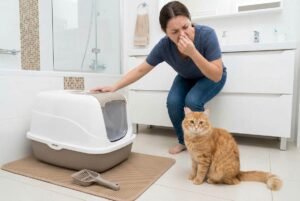
If you only change one thing, let it be the litter. Traditional clay litter is one of the worst offenders in the pet industry.
The Problem with Clay
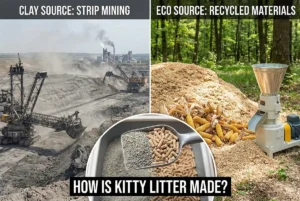
Most commercial cat litters are made from bentonite clay. This clay is obtained through strip mining, a process that destroys local ecosystems and removes topsoil. Furthermore, clay litter is not biodegradable. It sits in landfills for centuries, essentially fossilizing your cat’s waste.
The Sustainable Solution
Switching to biodegradable, plant-based litter is a game-changer. These options are often made from renewable resources and are compostable (under the right conditions).
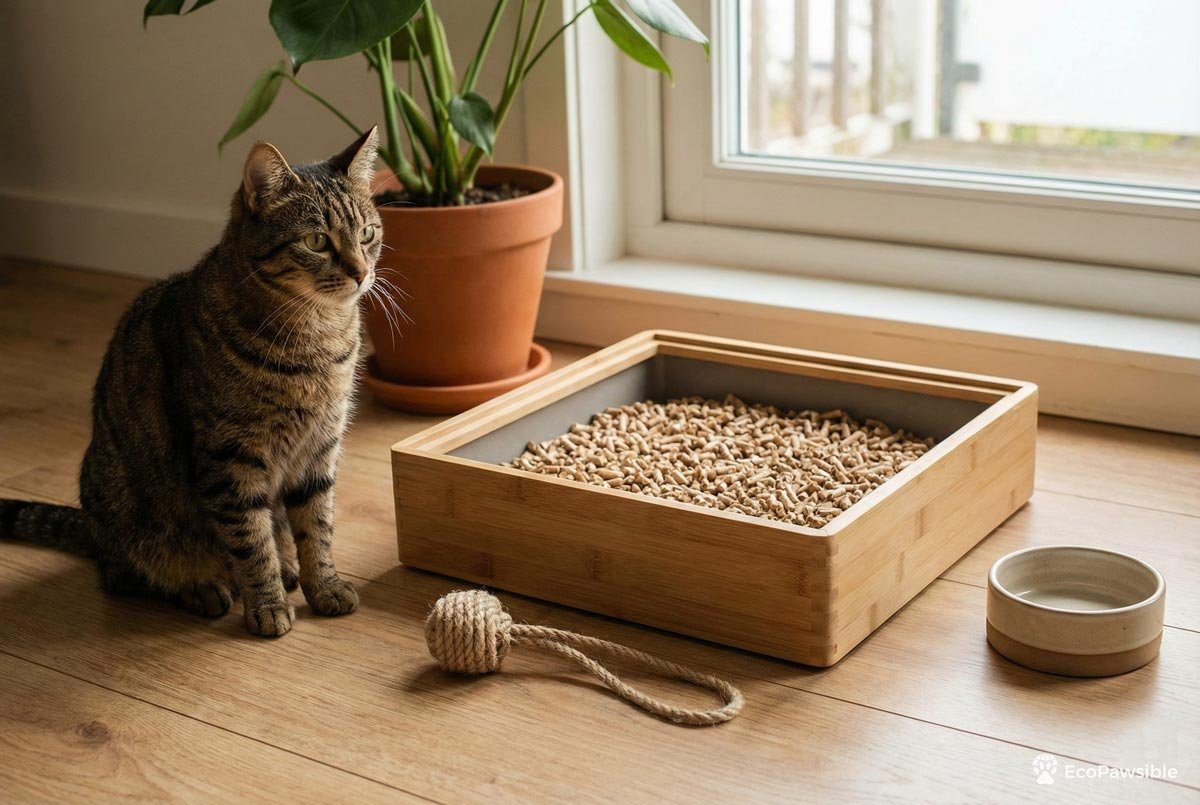
- Wood/Pine Pellets: These are often by-products of the lumber industry, meaning no new trees are cut down just for litter. They mask odors naturally and break down easily.
- Corn and Wheat: These clump well (similar to clay) but are 100% biodegradable. However, ensure they are sourced sustainably.
- Tofu/Soy Litter: Extremely popular in eco-conscious circles, tofu litter creates low dust and dissolves easily.
- Recycled Paper: A great way to give new life to old paper products. It’s highly absorbent and dust-free.
Pro Tip: When switching litters, do it gradually over a week by mixing the new litter with the old one. Cats can be picky, and a sudden change might cause them to avoid the box.
2. Sustainable Nutrition: Quality Over Quantity
Diet is a tricky subject because cats are obligate carnivores. Unlike dogs or humans, they must eat meat to survive. They require taurine and other nutrients found only in animal protein. Therefore, a vegan diet is not safe for cats.
However, you can still make eco-friendly choices within a meat-based diet.
Choose Sustainable Proteins
Beef requires significantly more land and water to produce than poultry or fish. According to environmental data, beef production creates roughly 10 times more greenhouse gas emissions than chicken.
- Opt for Chicken, Turkey, or Rabbit: These have a much lower carbon footprint than beef or lamb.
- Look for Invasive Species: Some innovative brands are now using proteins like invasive carp or crickets (yes, insects are a high-quality protein source!) to reduce environmental strain.
Bulk Buying and Packaging
Single-serve pouches and small cans create mountains of waste.
- Buy in Bulk: Purchase the largest bag of dry food or the largest cans of wet food appropriate for your cat’s consumption rate.
- Recycle Cans: Aluminum and steel cans are infinitely recyclable. Make sure to rinse them out before tossing them in the recycling bin.
3. Ditch the Plastic: Eco-Friendly Toys and Accessories
Walk into any big-box pet store, and you are greeted by walls of bright, cheap plastic. These toys often break within weeks and, since they cannot be recycled, end up in the trash.
Natural Materials are Better
Cats often prefer natural textures anyway. Look for products made from:
- Hemp and Sisal: Perfect for scratchers. Unlike synthetic carpet, these are biodegradable.
- Wool: Felted wool balls are durable, quiet, and eco-friendly.
- Cardboard: Before buying a fancy cat condo, remember that cats love simple cardboard boxes. You can build an amazing DIY castle using boxes from your latest delivery.
Second-Hand and Upcycling
Do you really need a brand-new plastic carrier? Look for gently used cat carriers, crates, or towers on local marketplaces or thrift stores. Sanitizing a pre-loved item saves money and keeps plastic out of the landfill.
4. Responsible Waste Management
How you dispose of your cat’s waste matters more than you think.
Never Flush Cat Poop
Many owners think flushing is the “greenest” option, but it poses a serious threat to marine life. Cat waste can contain a parasite called Toxoplasma gondii. Most water treatment plants are not designed to filter out this parasite. When it reaches the ocean, it can be fatal to sea otters and other marine mammals.
Use Biodegradable Bags
Instead of using plastic grocery bags, invest in certified compostable poop bags. If you have a backyard, you can even install a specific pet waste composter (do not use this compost on edible vegetable gardens, only for ornamental plants).
5. Spay, Neuter, and Adopt
Sustainability isn’t just about products; it’s about population.
The Overpopulation Crisis
Millions of cats enter shelters every year in the US alone. Feral cat populations can devastate local wildlife, particularly bird populations.
- Spay/Neuter: Ensuring your cat cannot reproduce prevents unwanted litters and reduces the burden on shelters and the ecosystem.
- Adopt, Don’t Shop: Breeding new cats consumes resources. Adopting a shelter cat is a form of “recycling” love—you are giving a home to an animal that already needs one.
6. Keep Cats Indoors (or Supervised)
This is a controversial topic for some, but from an environmental standpoint, keeping cats indoors is superior.
- Wildlife Protection: Domestic cats are efficient hunters. Keeping them indoors protects local bird and small mammal populations.
- Cat Safety: Indoor cats live longer, safer lives away from cars, predators, and diseases.
If your cat craves the outdoors, consider building a “Catio” (an enclosed patio) or leash training them. This allows them to enjoy fresh air without disrupting the local ecosystem.
Conclusion: Progress Over Perfection
Reducing your cat’s carbon pawprint doesn’t mean you have to be perfect overnight. It’s about making better choices where you can. Perhaps today you switch to biodegradable litter, and next month you opt for a ceramic bowl instead of a plastic one.
Every small step counts towards a greener, healthier planet for us our four-legged companions.