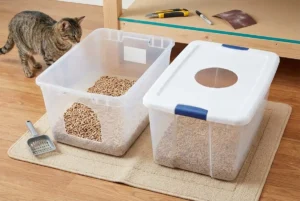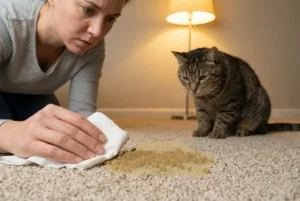
Let’s face it: scooping the litter box is arguably the worst part of owning a cat. It’s dusty, smelly, and a chore that somehow always needs to be done right when you’re about to relax.
Enter the self-cleaning litter box. These robotic gadgets promise to banish the scoop forever, but with price tags ranging from $150 to over $800, they are a significant investment.
You’ve likely seen the ads for the Litter-Robot or the PetSafe ScoopFree, but are they actually worth the hype? Or are they just expensive plastic gadgets that will break in a year?
At EcoPawsible, we dug deep into the pros, cons, hidden costs, and environmental impact to answer the big question: Are self-cleaning litter boxes worth it?
The Short Answer: Yes, But Not for Everyone
If you are a busy professional, hate scooping, or live in a multi-cat household, a self-cleaning litter box is absolutely worth it. It saves time and drastically reduces daily odors.
However, if you are on a tight budget, have a timid cat, or are extremely sensitive to machine noise, stick to a traditional box. The technology is impressive, but it isn’t perfect.
The Real Benefits (Why People Love Them)
1. Freedom from the Daily Scoop
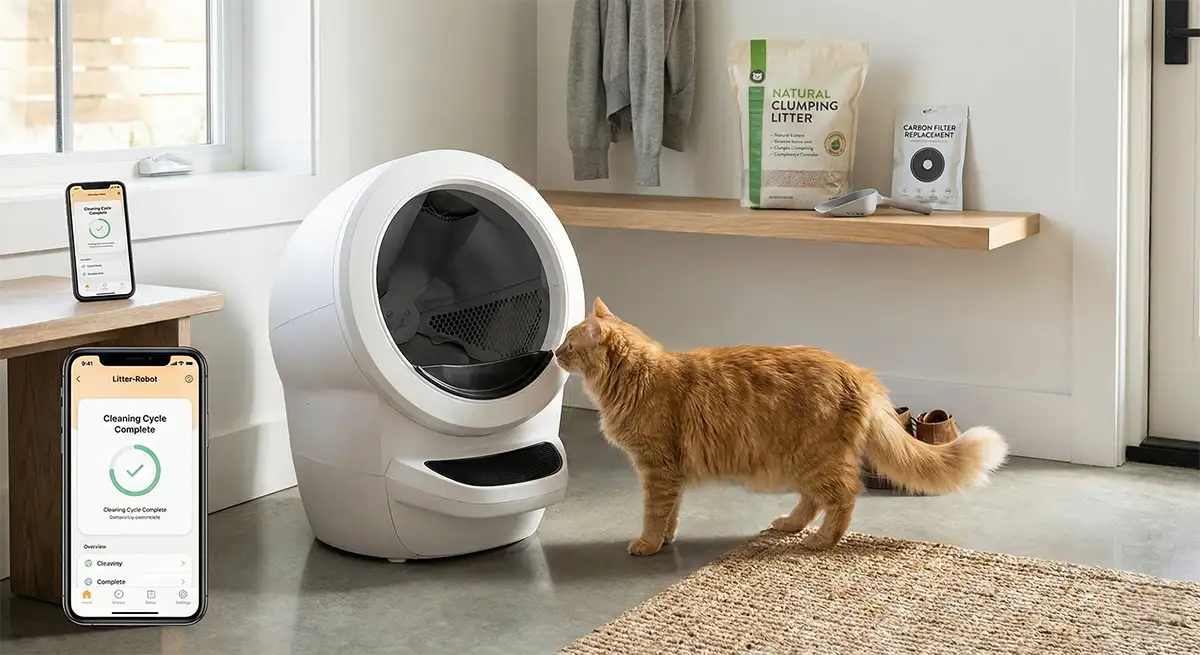
The biggest selling point is convenience. Automatic boxes detect when your cat has used the bathroom and run a cleaning cycle minutes later. This means you don’t have to interact with cat waste daily. Instead of scooping every 24 hours, you might empty a waste drawer once a week.
2. Superior Odor Control
In a traditional box, waste sits on top of the litter until you scoop it. In an automatic unit, waste is promptly sifted and deposited into a sealed, carbon-filtered waste drawer. For apartment dwellers, this is a game-changer.
3. Great for Multi-Cat Homes
Cats are territorial and hate stepping in a dirty box. If you have two or three cats, keeping a standard box clean requires constant vigilance. A self-cleaning unit ensures a fresh bed of litter for every single visit, reducing the chances of “accidents” outside the box.
4. Peace of Mind During Travel
Planning a weekend getaway? With a standard box, you need a pet sitter just to scoop. With a high-capacity automatic box, you can often leave for 2-3 days without worrying about your cat facing a dirty toilet.
The Downsides (What the Ads Don’t Tell You)
1. Detecting Health
Monitoring your cat’s waste is crucial for detecting health issues like urinary tract infections, which a robot might hide from you.
2. The Sticker Shock
The initial cost is high. While a standard litter pan costs $20, a reliable automatic one starts at $150 and goes up to $800.
3. Hidden Maintenance Costs
Many models require proprietary supplies.
- Crystal Litter Trays: Some brands (like PetSafe) require disposable trays that can cost $20-$30 per month.
- Waste Bags: While some accept regular trash bags, others force you to buy their branded liners.
- Electricity: It’s a small amount, but it’s an appliance that runs 24/7.
4. The “Deep Clean” is a Nightmare
You don’t have to scoop daily, but once a month, you must deep clean the machine. Disassembling a robot with sensors, motors, and plastic gears to scrub off stuck-on mess is far more difficult than hosing down a plastic tray.
5. Noise and Size
These units are bulky. If you have a small bathroom, a robot litter box might take up too much space. Also, the mechanical motor makes noise. It’s usually a low hum, but it can be startling in the middle of the night.
6. Not All Cats Accept Them
This is the biggest risk. The noise and movement of the rake or rotating drum can terrify some cats. If your cat refuses to use it, you effectively have a $500 paperweight.
The Eco-Friendly Perspective (Is it Sustainable?)
At EcoPawsible, we care about the planet. Do these robots help or hurt?
The Good:
- Less Litter Waste: High-end rotating units (like the Litter-Robot) are incredibly efficient at sifting. They only remove the clumps, preserving clean litter. This means you buy less litter over time, reducing mining and transportation impacts.
The Bad:
- E-Waste: Eventually, the motor or sensors will fail. Unlike a plastic pan that lasts decades, these are electronic devices that will eventually end up in a landfill.
- Plastic Liners: Most units rely heavily on plastic waste bags.
Verdict: If you use biodegradable litter and compostable bags, an automatic box can be relatively eco-friendly due to litter conservation.
Comparison: Raking vs. Rotating Systems
Not all self-cleaning boxes work the same way.
- Rotating Systems (e.g., Litter-Robot):
- How it works: The entire globe spins, sifting clean litter through a screen.
- Verdict: Generally better reliability and uses standard clumping litter.
- Raking Systems (e.g., PetSafe, Nature’s Miracle):
- How it works: An automatic rake combs through the litter pan.
- Verdict: Cheaper upfront, but the rake often gets jammed with wet clumps, making a mess.
Who Should Buy One? (The Final Verdict)
Buy it if:
- You work long hours or travel frequently.
- You live in a small space where odor control is critical.
- You have physical limitations (back pain, pregnancy) that make bending to scoop difficult.
- You have multiple cats.
Skip it if:
- You are on a strict budget.
- Your cat is easily frightened by loud noises.
- Your cat has chronic digestive issues (soft stool can smear on the mechanisms, creating a horrific mess).
Final thoughts
Are self-cleaning litter boxes worth it? Yes—if you value your time over your money. They are a luxury item that solves a messy problem. While they aren’t maintenance-free, the reduction in daily chores and household odor makes them a worthy investment for most modern cat owners.