Let’s be real for a second: nobody likes the litter box. It’s dusty, it’s heavy, and that “artificial floral” scent mixed with cat pee is… well, it’s memorable in the worst way.
For years, clay litter has been the king of the pet aisle. But as we all become more conscious of our environmental impact (and our budgets), a challenger has entered the chat: Wood Pellet Cat Litter.
If you are reading this on EcoPawsible, you’re probably asking: Is it actually better? Does it really stop the smell? And will my cat hate me if I switch?
I’ve done the deep dive research so you don’t have to. Here is the honest breakdown of the pros and cons of wood pellet cat litter.
What Exactly Is Wood Pellet Litter?
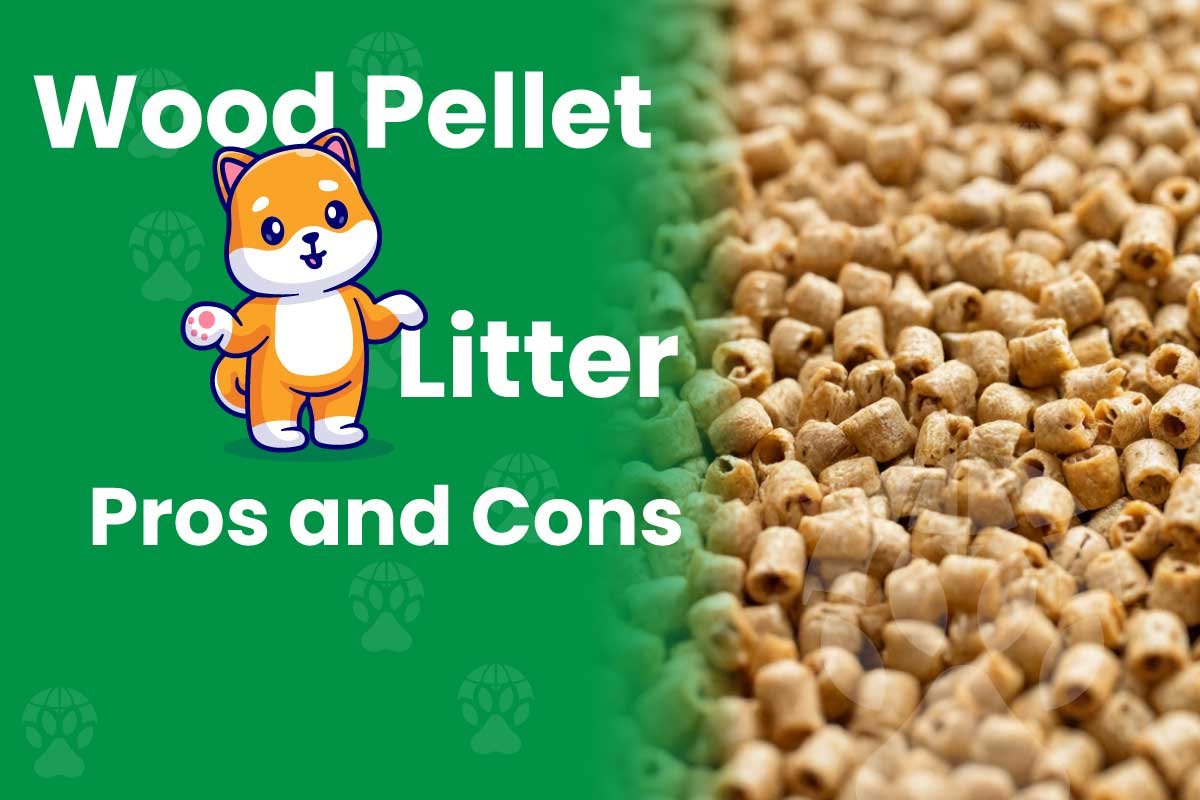
Before we weigh the good and the bad, you need to know what you’re buying. Wood pellet litter is made from compressed sawdust (usually pine). It’s actually very similar to the fuel pellets used in wood stoves.
Unlike traditional clay litter that turns into a hard rock when wet, wood pellets work differently. When they absorb moisture, they break down back into fresh sawdust. This unique mechanism is why many cat owners love it—and why some find it confusing at first.
The Pros: Why People Are Obsessed
There is a reason this is the fastest-growing trend in the eco-pet world.
1. It’s a Smell-Killer (Seriously)
This is the #1 reason people switch. Clay litter often masks odors with artificial perfumes. Wood pellets naturally neutralize the smell of ammonia (cat pee). Instead of a dirty litter box smell, your laundry room just smells faintly like a lumberyard or fresh pine.
2. It’s Incredible for Your Wallet
Let’s talk numbers. A 40lb bag of specialized wood pellet litter costs significantly less than premium clay brands. Because the pellets are so absorbent (holding up to 3x their weight in liquid), you use less product. One bag can last a single-cat household for months.
3. Zero “Dust Clouds”
We’ve all been there—you pour the clay litter and suddenly you’re standing in a mushroom cloud of gray dust. That dust isn’t just messy; it contains silica, which can be irritating for both you and your cat to breathe. Wood pellets are virtually dust-free when you pour them.
4. It’s Truly Eco-Pawsible
Most clay litter is obtained through strip mining, which destroys landscapes. Wood pellets are usually made from reclaimed wood byproducts (waste from lumber mills) that would otherwise be thrown away. Plus, it’s 100% biodegradable and compostable.
Why It’s Green
- ✅ Biodegradable
- ✅ Recycled
- ✅ Compostable
- ✅ Chemical-Free
The Cons: The Stuff No One Tells You
I promised you honesty. Wood pellets aren’t perfect for everyone.
1. It Doesn’t “Clump” Like Clay
If you are used to scooping out neat little pee-balls, this will be a shock. Wood pellets do not clump. They dissolve into sawdust.
- The Adjustment: You scoop the poop daily, but for the pee, you actually need to stir the litter so the sawdust settles to the bottom (or use a sifting litter box).
2. The Texture Issue
Imagine walking barefoot on gravel vs. walking on sand. Wood pellets are larger and harder than clay grains. Some finicky cats (especially older ones with sensitive paws) might protest.
Wood pellets are cleaner, which is great for hygiene. However, if you notice your cat spending too much time there, or even sleeping in the litter box, it could be a sign of a medical emergency.
3. Tracking (The Sawdust Factor)
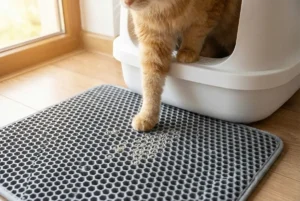
While you won’t get gray clay prints all over your house, you might find wood dust (sawdust) tracking out of the box. It’s easier to vacuum up than clay, but it’s still something to watch out for.
4. Finding the “Safe” Kind
Crucial Safety Note: Not all wood pellets are safe. You must buy pellets that are “Kiln-Dried.” This heat process removes the natural phenol oils in pine, which can be toxic to cats. Always
Quick Comparison: Wood vs. Clay

How to Switch Your Cat (Without a Protest)
Cats are creatures of habit. If you swap their litter overnight, they might boycott the box entirely. Here is the EcoPawsible Slow-Switch Method:
- Days 1-3: Fill the box with 75% of their old litter and just sprinkle a layer of wood pellets on top. This lets them get used to the smell.
- Days 4-7: Mix it 50/50. Don’t be afraid to mix them up a bit.
- Days 8-10: Go to 75% pellets, 25% old litter.
- Day 14: Full switch. Congratulations, you are now plastic-free!
FAQs
Q: Can I flush wood pellet litter?
A: Technically, yes, small amounts of wood sawdust are flushable in many systems. However, EcoPawsible advises against it. Cat waste can contain Toxoplasma gondii, a parasite that water treatment plants can’t always filter out, which is harmful to marine life. It’s better to compost it (for decorative plants only) or bin it.
Q: Does it attract bugs?
A: No. In fact, natural pine scent is a deterrent for many insects.
Q: How often do I change the whole box?
A: Since you are sifting out the sawdust regularly, the remaining pellets stay fresh for a long time. You typically only need to do a full dump-and-scrub every 2-4 weeks.
Final Verdict: Is It EcoPawsible Approved?
If you can get past the learning curve of the “sifting” cleaning method, wood pellet litter is a superior choice. It’s cheaper, healthier for your home’s air quality, and infinitely better for the planet.
Your cat gets a safe place to go, and you get to say goodbye to the dreaded “dust cloud.” That’s a win-win.