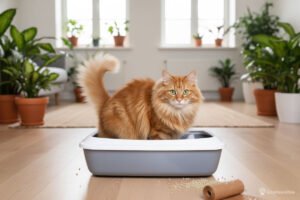

We love our cats. We love their purrs, their head bumps, and even their midnight zoomies. But there is one thing no cat owner loves: the eye-watering, room-clearing stench that sometimes wafts out of the litter box.
Let’s be honest—cat poop is never going to smell like a bouquet of roses. However, there is a big difference between a “normal” biological smell and a foul odor that lingers for hours. If you find yourself holding your breath every time your feline friend finishes their business, your cat might be trying to tell you something.
A sudden change in stool odor is often the first indicator of digestive issues, diet problems, or even parasites. The good news? In most cases, the fix is simple.
Here is a deep dive into why your cat’s poop smells so bad and how to get your fresh air back.
1. Diet is the #1 Culprit (Cheap Food = Smelly Poop)
The most common reason for foul-smelling stool is simply what you are putting in the bowl.
Cats are obligate carnivores, meaning their bodies are designed to process meat—and only meat. However, many commercial cat foods (especially cheaper kibble brands) are packed with fillers like corn, wheat, and soy.
The Digestion Problem
Since cats lack the enzymes to properly digest these carbohydrates, the food sits in their intestines and ferments. This fermentation process produces excessive gas and a distinctively sour, pungent odor when it finally comes out.
The Fix: Check the label on your cat’s food. If the first ingredient is “Corn” or “Meat By-Product Meal,” it’s time for an upgrade. Switching to a grain-free, high-protein diet often solves the smell issue within a few days. Better food creates less waste and significantly less odor.
2. Food Intolerances and Allergies
Just like humans, cats can have sensitive stomachs. If your cat eats something their body can’t tolerate, inflammation occurs in the gut, leading to loose, smelly stools.
- Chicken & Fish: Surprisingly, these are common allergens for some cats.
- Dairy: Despite the cartoons, most adult cats are lactose intolerant. Giving your cat a saucer of milk is a guaranteed recipe for a smelly litter box disaster.
If the smell is accompanied by gas or rumbling sounds from your cat’s belly, try switching to a “Limited Ingredient Diet” (LID) with a novel protein like duck or rabbit to see if the smell improves.
3. Bacterial Infections and Parasites
This is the part where you need to be observant. Sometimes, the smell isn’t about food; it’s about invaders.
Certain parasites cause stool to have a very specific, unbearable stench:
- Giardia: A microscopic parasite that causes greasy, yellowish, and exceptionally foul-smelling diarrhea. According to the Cornell Feline Health Center, these gastrointestinal parasites are a leading cause of severe digestive upset in cats.
- Coccidia: Another parasite that damages the intestinal lining.
- E. Coli / Salmonella: These bacteria can overgrow in the gut, especially if a cat hunts outdoors or eats a raw diet that hasn’t been handled properly.
Red Flag: If the poop smells “metallic” or incredibly sharp and is softer than usual, consult your vet for a fecal test.
4. The “Litter Box Environment” Factor
Sometimes, the cat isn’t the problem—the box is.
If you don’t clean the box often enough, old waste accumulates. As bacteria break down the waste, ammonia levels spike. But it’s not just about scooping; it’s about the materials you use.
The Problem with Plastic and Clay
Standard plastic litter boxes absorb odors over time. Even if you scrub them, the plastic retains the smell of old bacteria. Furthermore, traditional clay litter often masks the smell with heavy perfumes, which mix with the poop to create a nauseating combination.
The Eco-Friendly Fix: Consider switching to natural alternatives. Materials like pine, corn, or walnut shells contain natural enzymes that neutralize odor rather than masking it. You can learn more about how these natural ingredients in biodegradable litter work to trap ammonia better than clay.
Also, try to replace your plastic box with a stainless steel one. Metal doesn’t have pores, so it never absorbs odors.
5. Dehydration
Water plays a huge role in digestion. If your cat eats only dry food and doesn’t drink enough water, their stool becomes hard and highly concentrated. Concentrated waste has a much stronger, sharper smell than well-hydrated waste.
Pro Tip: Adding a water fountain can encourage your cat to drink more. Alternatively, incorporating wet food into their diet adds necessary moisture, helping to dilute the waste and reduce the smell.
6. How to Stop the Stench (Practical Solutions)
If you have ruled out parasites and improved the diet, but the smell persists, try these household hacks:
- Add Probiotics: Just like yogurt helps humans, feline probiotics add “good bacteria” to your cat’s gut. This helps balance the digestive system and reduces gas.
- Baking Soda: A light sprinkle of baking soda at the bottom of the litter box is a safe, natural deodorizer.
- Establish a Routine: The longer poop sits, the more it smells. We recommend scooping at least once a day. If you are worried about the waste generated by frequent cleaning, there are efficient ways to dispose of litter without using plastic bags that keep your home hygienic and eco-friendly.
7. When Should You See a Vet?
While a little stink is normal, a sudden change requires attention. You should book a vet appointment if the smell comes with:
- Blood or mucus in the stool.
- Vomiting or lack of appetite.
- Weight loss.
- Diarrhea lasting more than 24 hours.
Final Thoughts
Your cat’s litter box is essentially a window into their health. While we often joke about the smell, a consistently foul odor is a signal that something in their digestion isn’t right.
By upgrading their diet to higher-quality protein, keeping them hydrated, and maintaining a clean, chemical-free litter environment, you can clear the air in your home and ensure your feline friend feels their best.